



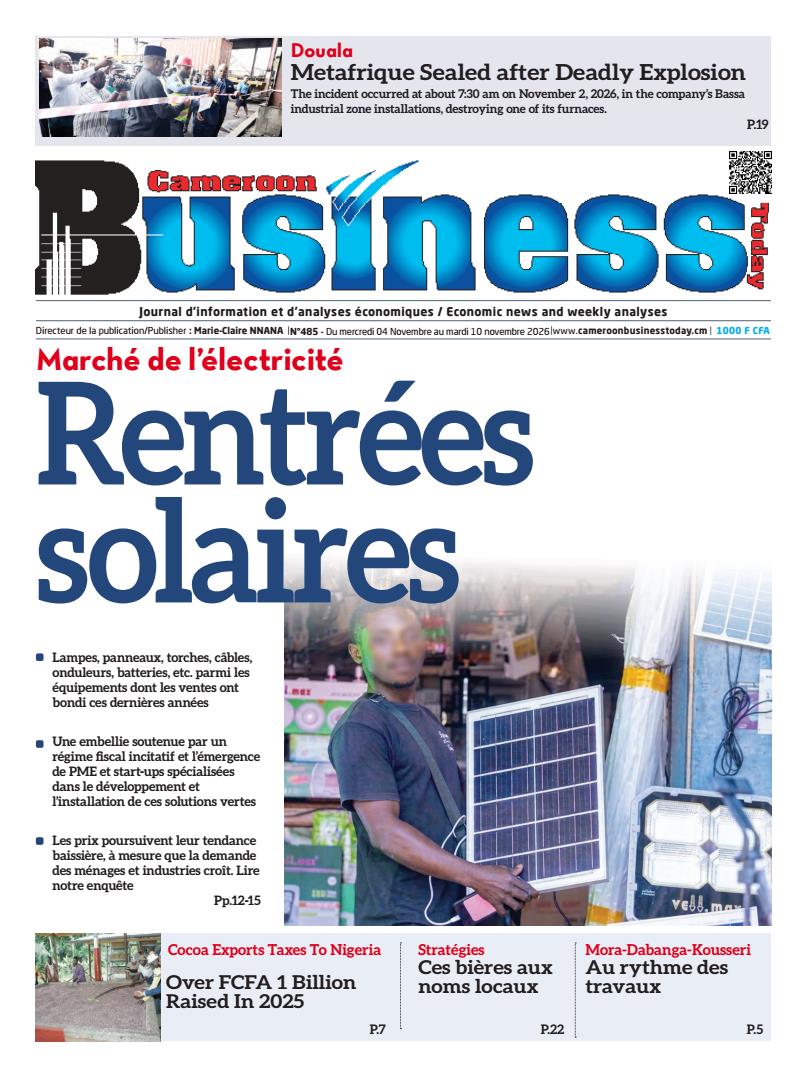

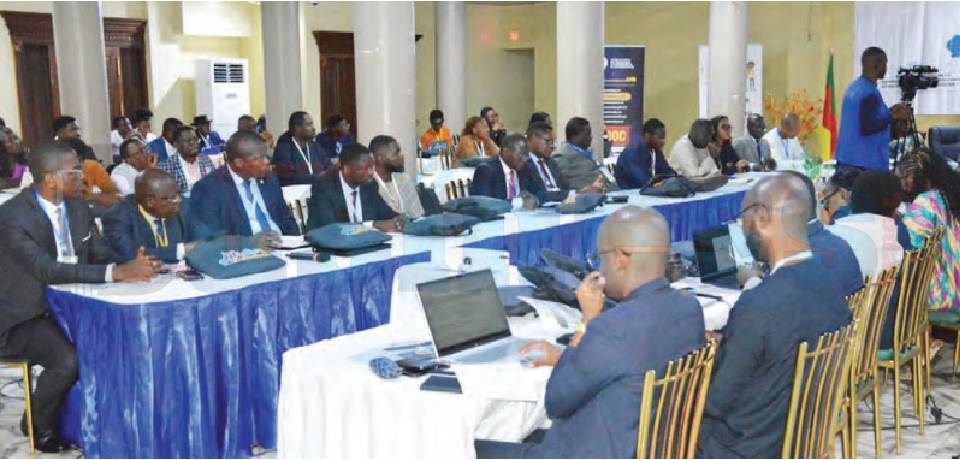
T he United Nations Economic Commission for Africa Office for North Africa convenes its 41st session of the Inter governmental Committee of Senior Officials and Experts from November 3rd to 5th, 2026, in Rabat, Morocco. Under the theme “Strengthening econo mic resilience mechanisms to address the repercussions of simultaneous global shocks in North Africa,” policy lea ders, central bank governors, and development strategists gather to map defensive poli cy frameworks. Sub regional growth accelerated to 4.4% (up from 2.7% previously), ac cording to mid-2026 reports released by the African Deve lopment Bank Group (AfDB). However, persistent inflation averaging 12.3% across the zone, volatile commodity prices, global supply chain bottlenecks, and severe cli mate stresses continue to threaten recent economic gains. To counter these systemic risks, Maghreb nations are shifting from reactive crisis management toward proactive structural buffers as stipulated by the United Nations Deve lopment Program, Maghreb strategy 2025-2030. Morocco and Tunisia for instance are actively expanding localized automotive and renewable component supply chains to shield manufacturing from global shipping disruptions. Concurrently, Egypt and Alge ria leverage automated fiscal monitoring platforms and tax system digitalisation to pre serve foreign capital reserves and maintain domestic safety nets. In addition, Tunisia and Egypt are establishing str...
This article is for subscribers only
Already subscribed? Identify yourself >
Unlimited access to Cameroon Business Today Digital from 13,250 FCFA
I subscribe1 minute is enough to subscribe to Cameroon Business Today Digital!
- Your special Cameroon Business Today issue in digital version
- Inserts
- Exclusive calls for tenders
- Preview (access 24 hours before publication)
- Editions available on all media (smartphone, tablets, PC)









Commentaires