




T his initiative to transform local tropical tubers specifically taro into high-value bakery pro ducts according to the brain behind the project stems from a clear observation of Cameroon’s heavy reliance on imported refined wheat flour. A situation which not only weighs on the economy but equally poses dietary challenges. A barrier which was turned into a thri ving economic opportunity by Temate Tanambou Emilie, a dietician-nutritionist and entre preneur. Through her enterprise, Sekhmet Bien-être, based in Yaounde, she manufactures and commercializes taro flour, bread, cakes, and muffins. To meet growing consumer de mand and maintain high stan dards, the promoter relies on a core team of 20 permanent employees, 90% of whom are women, along with trainees from the Professional Training Institute for Healthy Tropical Food (IFPAT) which she founded. Temate Emile purchases fresh taro directly from rural women farming groups in the West and Centre regions. The pro duction process begins with thorough washing, peeling, and thin slicing. The slices are then dried at low temperatures to preserve all nutrients, ground into fine flour, and processed into bakery products. To pro duce approximately 2.5 kg of pure taro flour, around 10 kg of fresh taro tubers are required. However, if you crave fresh taro pastry or bread but lack flour, you could simply grate or grind your fresh taro and use its paste to which you add some vinegar and other ingre dients to bake what you desire. Starting her entrepreneurial venture with an initial capital of under FCFA 500,000, the main investment was used to purchase raw materials and basic processing equipment. Compared to wheat bread or flour, Emilie holds, taro flour thanks to its fibre component, improves digestion, a...
This article is for subscribers only
Already subscribed? Identify yourself >
Unlimited access to Cameroon Business Today Digital from 13,250 FCFA
I subscribe1 minute is enough to subscribe to Cameroon Business Today Digital!
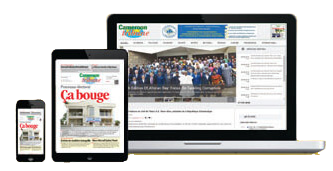
- Your special Cameroon Business Today issue in digital version
- Inserts
- Exclusive calls for tenders
- Preview (access 24 hours before publication)
- Editions available on all media (smartphone, tablets, PC)










Commentaires