



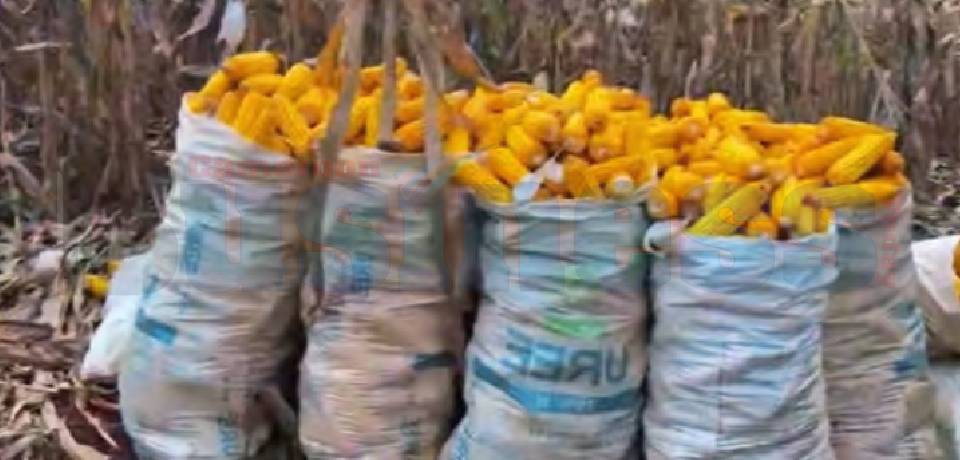
C ameroon’s push for import substitution in the maize sector is yielding encouraging results, with official statistics showing a sharp drop in maize imports thanks to a range of government measures in place to boost local production. Ac cording to the National Insti tute of Statistics (INS), maize import values fell from FCFA 3.9 billion in the first quarter of 2025 to about FCFA 600 million in the same period in 2026, representing a drop of nearly 85%. The feat, officials say, is the result of deliberate policy choices. According to the 2025 Cameroon Econo mic Report by the Ministry of the Economy, Planning and Regional Development, the government drew up a plan in 2021 to support the production and processing of mass-consumption products, including maize. This was followed by the Integrated Agropastoral and Fisheries Import-Substitution Plan (PII SAH) 2024-2026, instituted on instructions of the President of the Republic in Circular No. 001 of 30 August 2023. PIISAH, with an estimated to tal cost of FCFA 1,443 billion, covers seven priority value chains that weigh heavily on the trade balance. The 2025 Economic Report states that PIISAH’s overall objective is to contribute to reducing the trade deficit by 40% in targeted chains, including maize, by 2026. From the PIISAH budget, the Agricultural Research Ins titute for Development (IRAD) produced some 670 tonnes of certified seeds, including maize for better harvests. Though only FCFA 110 billion of the estimated amount was ac tually mobilised at the end of 2025, significant progress has been made. Another boost came from the Agricultural Production Support Pro gramme (PARPAC), financed by the African Development Bank (AfDB), which provided high-qua...
This article is for subscribers only
Already subscribed? Identify yourself >
Unlimited access to Cameroon Business Today Digital from 13,250 FCFA
I subscribe1 minute is enough to subscribe to Cameroon Business Today Digital!

- Your special Cameroon Business Today issue in digital version
- Inserts
- Exclusive calls for tenders
- Preview (access 24 hours before publication)
- Editions available on all media (smartphone, tablets, PC)










Commentaires