



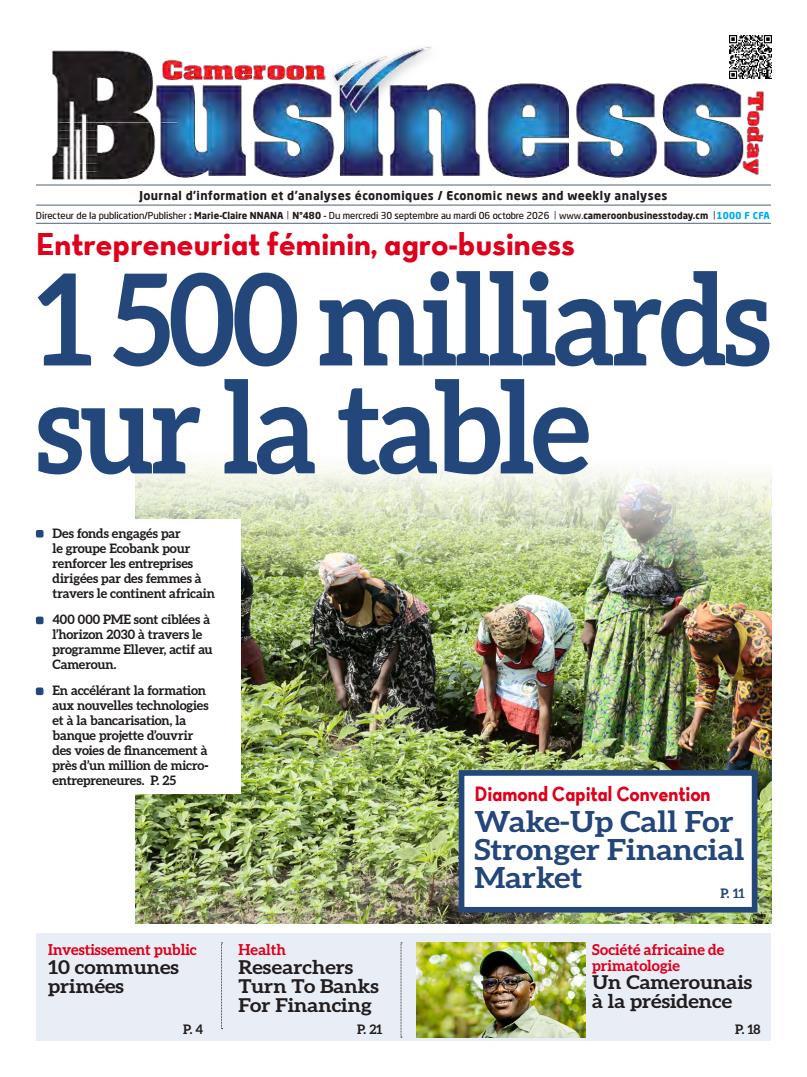
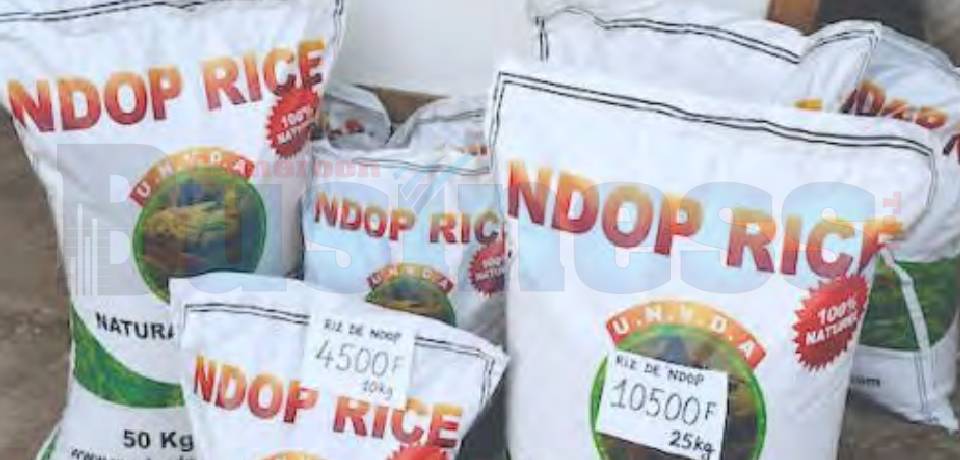
I mported rice still fills most shop shelves in Cameroon, even as local brands try to gain ground. Every year, the country spends a minimum of FCFA 300 billion to bring in rice from abroad, mainly from India, Thailand, and China. It is logical because national demand is far higher than what local farmers can supply. Cameroon faces an annual deficit of approximately 450,000 tonnes between local production and the amount needed by consumers. That gap has kept prices high and left the country dependent on imports, and the government has seen the need for a lasting solution. Following projections aimed to raise local rice pro duction from barely 160,000 tonnes to 460,000 tonnes by 2027 and then to 750,000 tonnes by 2030, authorities have launched several big projects and reforms. The biggest is the FCFA 385 billion National Rice Deve lopment Strategy, launched in 2023. The plan focuses on expanding irrigation, improving yields, and linking farmers to markets. In the North West Region, the government has injected FCFA 4 billion into the Upper Noun Valley Development Authority, UNVDA. The goal is to scale up Ndop rice pro duction from 21,000 tonnes to 100,000 tonnes, which is already one of the most popular local brands. Another key program is the Rice Value Chain Project. It will open 3,000 additional hectares of irrigated land for Ndop rice farming, and plans are underway to give farmers better access to quality seeds and fertilizer so they can pro duce more per...
This article is for subscribers only
Already subscribed? Identify yourself >
Unlimited access to Cameroon Business Today Digital from 13,250 FCFA
I subscribe1 minute is enough to subscribe to Cameroon Business Today Digital!

- Your special Cameroon Business Today issue in digital version
- Inserts
- Exclusive calls for tenders
- Preview (access 24 hours before publication)
- Editions available on all media (smartphone, tablets, PC)










Commentaires